



The Seven-Minute Crisis

Seven minutes. That's how much outdoor learning time primary school children in Scotland now receive each week, according to 2025 research from the University of Stirling. Not seven minutes per day—seven minutes total, excluding physical education.
The decline is staggering. In 2014, children averaged 30 minutes per week. In 2006, it was 19 minutes. Now we've dropped to seven. While this study focused on Scotland, the trend reflects a global crisis affecting children everywhere, including in the United States.
Why This Matters
A 2025 scoping review analyzing 41 studies with over 10,000 students found that outdoor teaching significantly improves learning across all core subjects—sciences, reading, writing, mathematics, and social studies. But the benefits extend far beyond academics. Research documented reduced stress and anxiety, improved motor skills, enhanced social development, and stronger environmental stewardship.
"At a time of climate and nature emergency, providing relevant outdoor learning opportunities is essential," says Professor Greg Mannion, who led the Scottish research. "Our findings should be cause for deep concern."
The Equity Problem
Perhaps most troubling is who loses out. Outdoor education programs have historically been funded by individual school districts, creating stark disparities. When wealthy schools can afford nature trips while others can't, we're not just creating an education gap—we're creating a nature access gap that compounds existing inequalities.
But there's hope. Maine launched "Outdoor School for All" in September 2025, offering free three-day outdoor trips to thousands of students after bipartisan legislation eliminated financial barriers. Meanwhile, research from William & Mary is challenging the assumption that outdoor learning requires wilderness—demonstrating that urban spaces can be vibrant teaching environments too.
What We Can Do
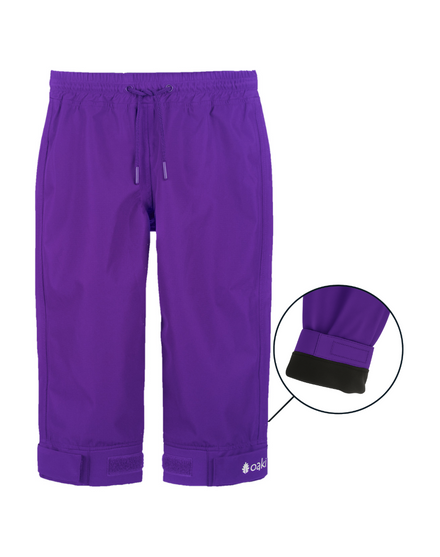
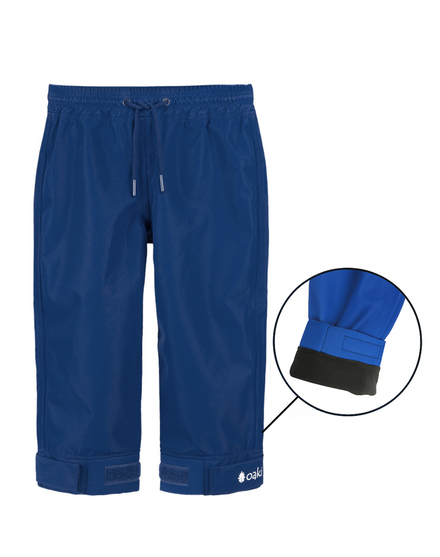
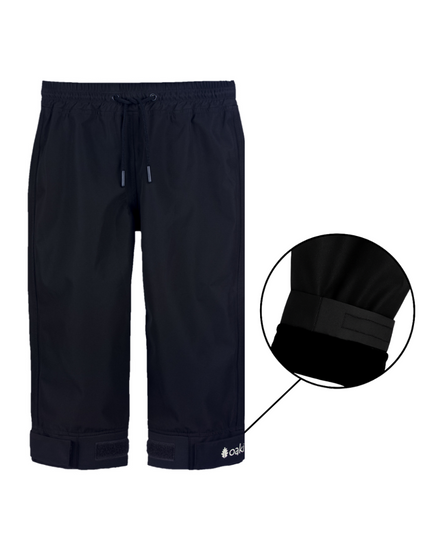
Seven minutes per week isn't inevitable. Parents and educators can start by using local parks and schoolyards for learning opportunities—research shows regular, short outdoor sessions can be as beneficial as occasional long trips. As we say at Oaki, "There's no such thing as bad weather, only bad gear." When children have proper waterproof gear and warm layers, weather stops being an excuse and every season becomes an opportunity.
Advocate with your school board. Share research showing outdoor learning's impact on academics, behavior, and mental health. Support equity initiatives that provide free outdoor education to all students. At a time when children spend 50% less time outdoors than their parents did, these aren't optional extras—they're essential.
One in five schools in Denmark and more than two-thirds in Norway provide outdoor learning for around half a day each week. Different choices are possible. Our children deserve more than seven minutes—and that change starts with us.

